
2026-07-02
German Driver Earns His Place in the “Aurum 1006 km Race” Through Virtual Racing
Not long ago, sim racing was seen by many as nothing more than a computer game. Today, however, racing on virtual circuits is increasingly becoming a stepping stone into professional motorsport.
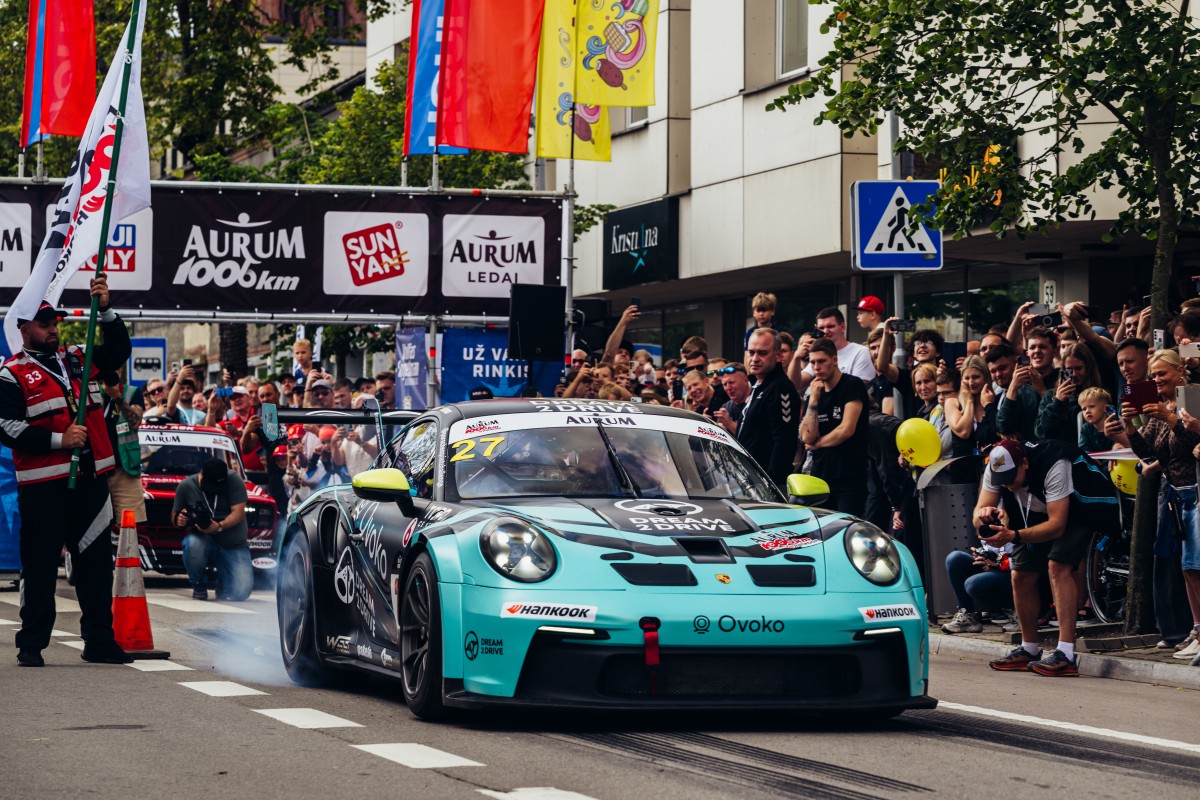
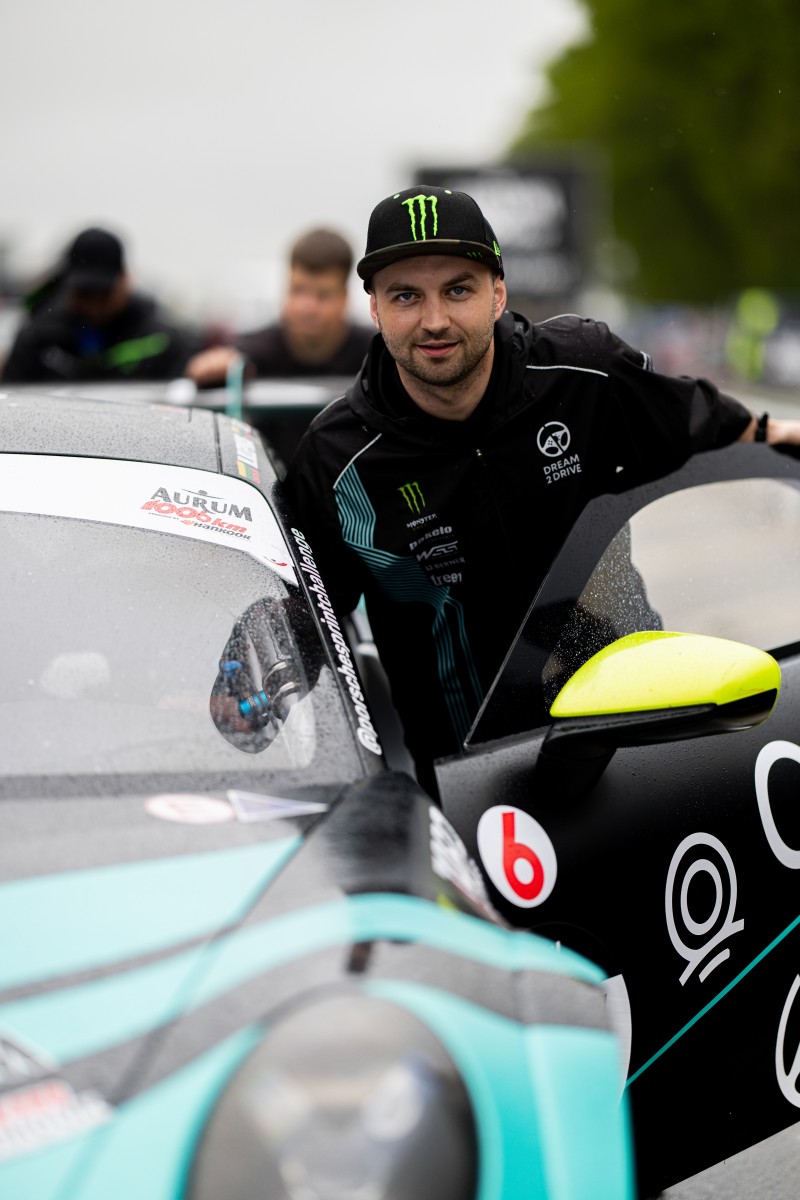
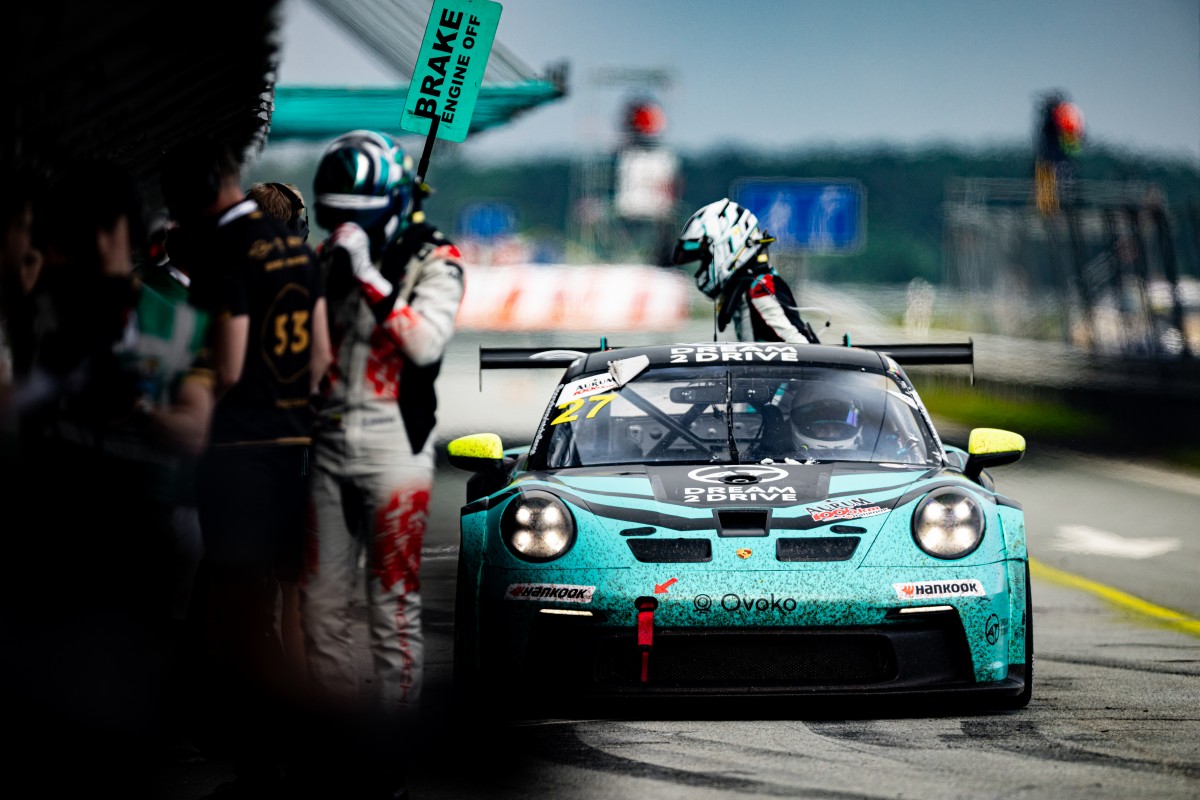
At this year’s “Aurum 1006 km powered by Hankook” race, taking place on July 15–18, 22-year-old German driver Dennis Schöniger will make his debut with Team OVOKO Dream 2 Drive after winning a seat behind the wheel of a Porsche 911 GT3 Cup by triumphing in a Europe-wide sim racing competition.
Nearly a thousand drivers from across Europe competed on virtual tracks for the grand prize – the opportunity to race in the largest circuit racing event in the Baltic States. The final featured two Germans, two Lithuanians, one Briton and one Estonian, with Schöniger ultimately emerging as the winner.
He will not be the only member of Team OVOKO Dream 2 Drive to make the transition from virtual to real-world racing. Joining him on the grid in Palanga will be Edvinas Žadeikis, who won a Lithuanian sim racing competition back in 2021 and has since gone on to build a successful career in real-life motorsport.
The team’s driver lineup will also include Estonian Markus Kajak, the current leader of the Porsche Sprint Challenge Central Europe championship, as well as team principal and founder Tauras Tunyla, who will be making his fourth appearance in the Aurum 1006 km race.
“Every year, our goal is to put together the strongest possible driver lineup by combining experience with outright speed. Thanks to our outstanding partners, we’ve managed to bring together the fastest drivers in a single car this year, and I’m 99 percent confident in our lineup. Dennis has never competed in real-world car racing before, but every previous champion from our esports programme has proven that their talent extends far beyond the simulator. They adapt to a real race car remarkably quickly, so I have no doubts about Dennis’s abilities either,” says Tunyla.
According to him, the biggest challenge for the young German will not be his pace, but the physical demands of real racing. Before making his debut in Palanga, however, the esports champion will complete his first real-world kilometres during a Porsche Sprint Challenge Central Europe round at Poznań, where he will drive the Porsche 911 GT3 Cup for the first time and begin preparing for his debut in Lithuania.
“The heat inside the car, the immense physical strain, and spending more than an hour on track without the chance to breathe fresh air are things every racing driver has to get used to. I’m confident Dennis will handle it exceptionally well,” the team principal says.
Schöniger himself says he has dreamed of an opportunity like this ever since he first sat behind the wheel of a racing simulator five years ago. After surgery forced him to give up sports for two years, he discovered sim racing and soon became one of Europe’s brightest virtual racing talents. Over the years, the German has represented teams including Williams Esports, Mercedes-AMG Motorsport, BMW M Motorsport and others, winning several prestigious titles along the way. Despite his success, he has never before competed in professional circuit racing.
“It’s hard to put into words how I feel. Countless sim racers dream of an opportunity like this, and I’ve been one of them for the past five years. I have enormous respect for real-world racing and understand the physical challenges that lie ahead. I hope to transfer the skills I’ve developed in sim racing onto the real track, but I also know I’ll have to learn many new things. I’m really looking forward to it,” says Schöniger.
Although the Aurum 1006 km race will mark both his debut and his first visit to the event, it is far from unfamiliar to the German.
“I’d heard about this race before. It looks incredibly exciting, but also very demanding. It will be a completely different endurance racing experience from what I’m used to in the simulator, and I can’t wait to experience it for myself.”
Whether the speed honed on virtual circuits can be turned into success in one of the Baltic States’ toughest endurance races will become clear on July 15–18 in Palanga, where more than twenty teams will line up on the starting grid.