
2026-03-03
From South Africa to Australia: the geography of the “Aurum 1006 km Race” extends far beyond Lithuania
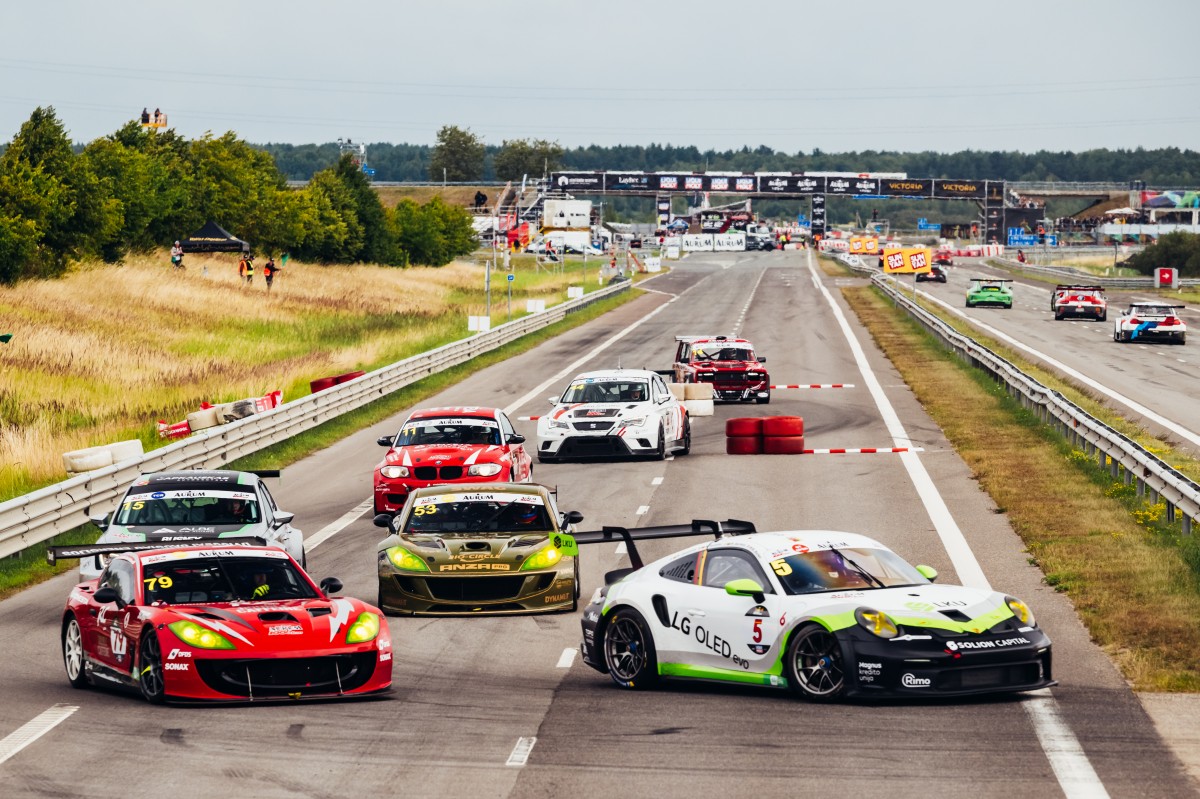
The “Aurum 1006 km powered by Hankook” race in Palanga has long outgrown the boundaries of a national event. Over more than two and a half decades, this endurance marathon has become one of the most prominent motorsport events in the Baltic region, attracting not only Lithuania’s strongest teams but also competitors from abroad every year.
Over the years, the starting grid has featured drivers from the United Kingdom, Latvia, Estonia, the Netherlands, Switzerland, Belgium, Germany, Poland, and even more distant countries such as the United States and Australia. In 2012, drivers from the Republic of South Africa stood on the top step of the overall podium.
According to long-term statistics, last year’s victory by an all-Lithuanian team was more the exception than the rule. Over the past two decades, the Lithuanian tricolor has flown alone on the top step of the podium only nine times. Typically, winning teams are reinforced by one or several drivers from other countries.
A foreign surname that left a lasting impression
One of the most loyal ambassadors of the race, Britain’s Drew Holland, smiles when asked how many times he has competed in the event, which will take place this year on July 15–18: “Good question – I believe this will already be my 17th race here. It’s a wonderful event. The atmosphere during race week in Palanga is exceptional: the spectators, organizers, officials, and other teams all create a truly special feeling.”
Motorsport has been part of D. Holland’s life since childhood, and he is never alone in Palanga – his brother Mick also drives the car on the track, while their father Dave is always there to support his sons: “My father was a racing driver, so I was surrounded by racing from the day I was born. I started riding motocross at four, and later my brother and I moved into rallying. Motorsport is my hobby and a part of my life.”
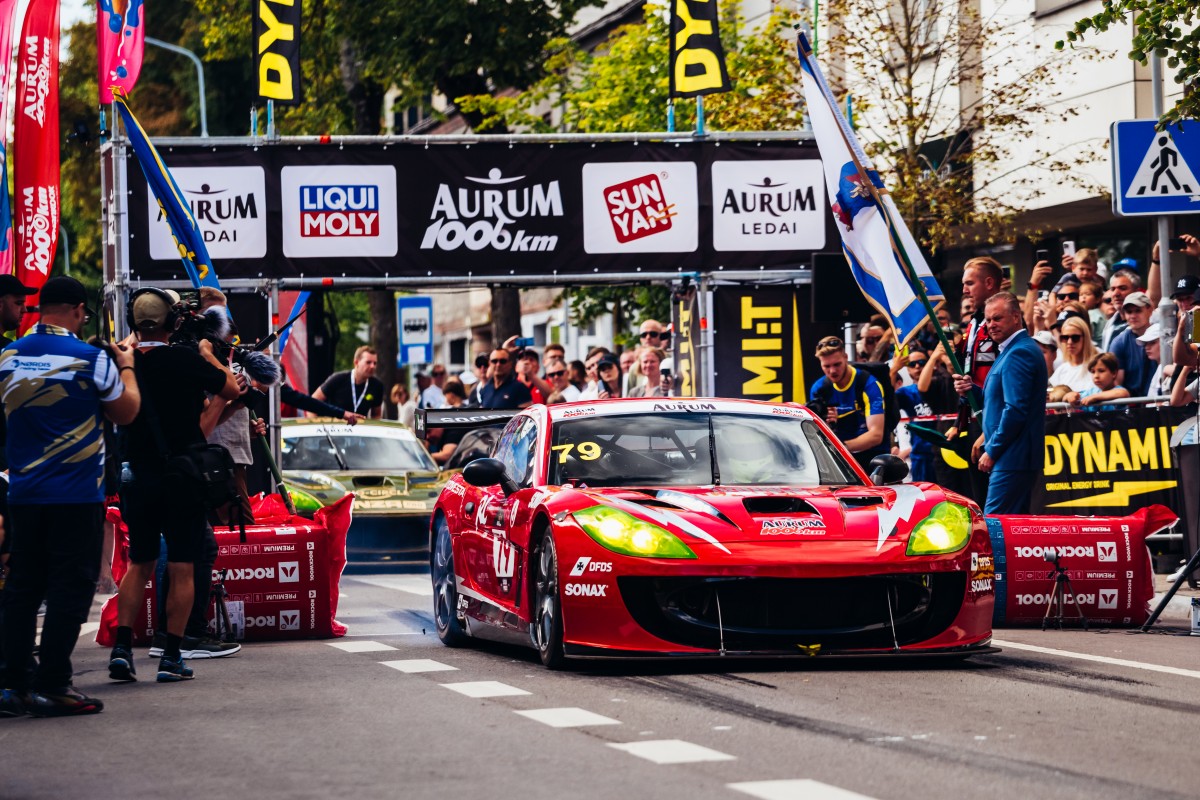
In 2023, D. Holland became the Baltic GT AM champion. This year, he plans to return to rallying with a Ford Fiesta, and in Palanga he will compete alongside his brother in a GT4 Ginetta.
Slower cars have their own advantages
The experienced driver, who has competed extensively both in the “Aurum 1006 km powered by Hankook” and in other races, recalled one of his most memorable moments in Palanga from several years ago. At the time, the British team managed to climb steadily up the standings with their self-built Ford Mk2 Escort.
This experience also proves that the fastest machinery in endurance racing does not automatically guarantee top results – under certain conditions, even slower cars can gain an advantage.
As the 27th edition of the Palanga race approaches, the organizers have introduced rule changes designed to make conditions more favorable for teams competing with slower cars.
Teams in certain classes will benefit from a reduced entry fee and will also be given the option to choose between Hankook or Nankang tires purchased from the organizer’s official tire supply partner.
“I hope this will help bring back a larger number of participants. These conditions could become more attractive for many teams and encourage them to bring their cars to the starting line,” D. Holland is convinced.
The driver also has a message – and a warning – for those who have never competed in Palanga: “It’s a fantastic event and an unforgettable experience. A chance to be alongside great teams and drivers and to take part in one of the most unique races in Europe. Just be prepared – one time might not be enough.”
Registration for the race, which will take place on July 15–18, is already open. Teams that register early will have the opportunity to choose more convenient spots in the race paddock, so the organizers encourage participants not to delay.