
2026-07-13
Safety preparations for the "Aurum 1006 km" race begin long before the green flag drops
Endurance racing is unimaginable without high speeds, fierce competition, and, of course, a certain degree of risk.
However, the organizers of the "Aurum 1006 km powered by Hankook" race say that much of that risk can-and should-be eliminated long before the cars roll onto the track.
Before the start of the endurance race in Palanga, organizers conduct rigorous inspections not only of the race cars but also of the drivers themselves. According to the competitors, some of the requirements applied here are even stricter than those at many other circuit racing events.
A racing license alone is not enough
Although every competitor must hold a valid motorsport competition license, that alone is not sufficient to compete in the largest endurance race in the Baltic States. Every year, a commission consisting of the organizers, the Clerk of the Course, and the Stewards reviews the experience, racing history, and overall preparedness of every registered driver. First-time entrants must provide evidence proving they possess the necessary qualifications and are adequately prepared to compete in the event.
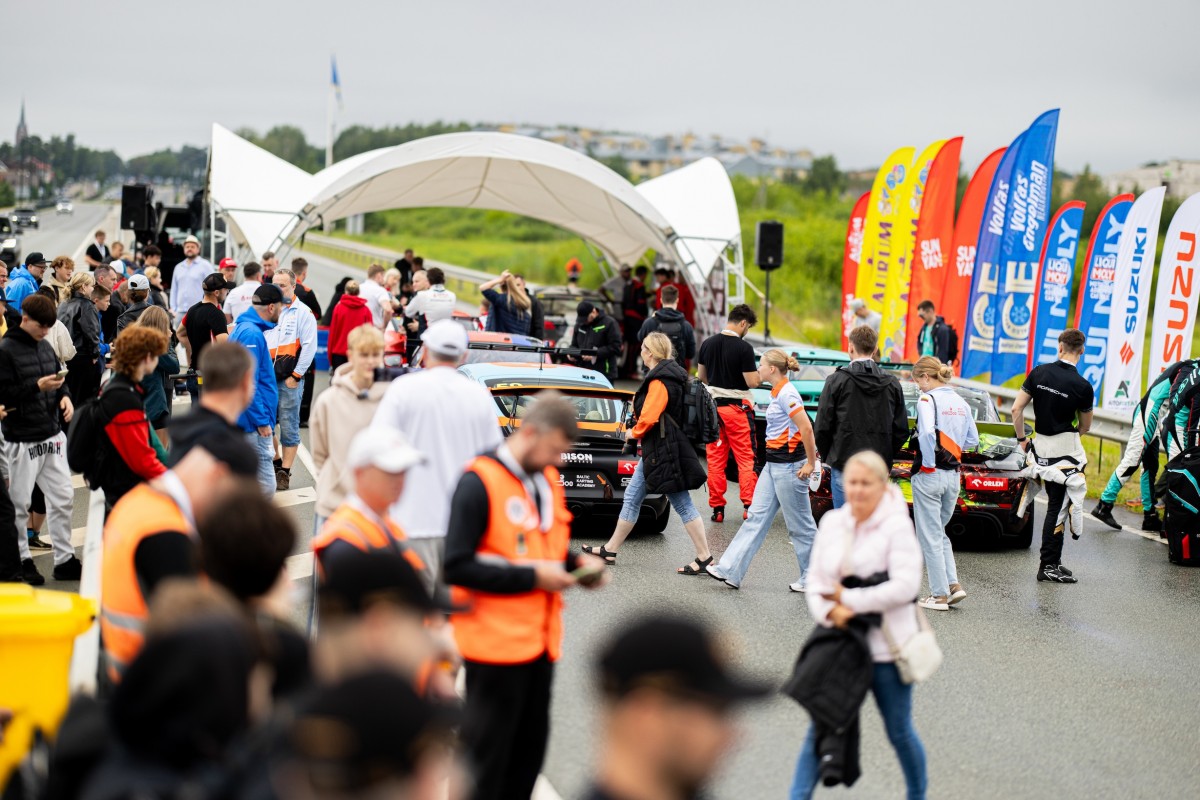
Unlike permanent racing circuits, the temporary street circuit built in Palanga once a year presents its own unique challenges. At the same time, cars of vastly different performance levels share the track-from production-based race cars to professional GT3 machinery. The significant speed differences result in far more overtaking than at a typical circuit race, meaning every driver must not only control their own car but also remain constantly aware of everything happening around them.
"We don't judge whether a driver is fast. They can be very fast or very slow-that isn't what matters most to us. What matters is that they thoroughly understand the procedures, know the meaning of every flag signal, have good situational awareness, and know exactly how to overtake or safely let faster cars pass. All of this is directly related to safety," says Darius Jonušis, organizer of the "Aurum 1006 km powered by Hankook" race.
He notes that in some cases, decisions are made even after registration has been completed and the entry fee has already been paid. If the commission concludes that a particular driver lacks sufficient experience, the team is advised to replace them with another driver.
Rather than focusing on race results, the organizers evaluate how competitors have conducted themselves during previous events. They assess whether a driver has been involved in frequent incidents, whether they respected flag signals, and whether race officials had to impose disciplinary penalties because of their actions. For drivers making their Palanga debut, the commission reviews their racing experience over recent years, participation in other competitions, and overall preparation.
Jonušis says that every year there are cases where even licensed drivers are advised not to compete in the race. These decisions are not based on a lack of speed or sporting ability, but on ensuring that every driver on track is capable of operating safely under the demanding and unique conditions of long-distance endurance racing.
Race cars undergo equally strict scrutiny
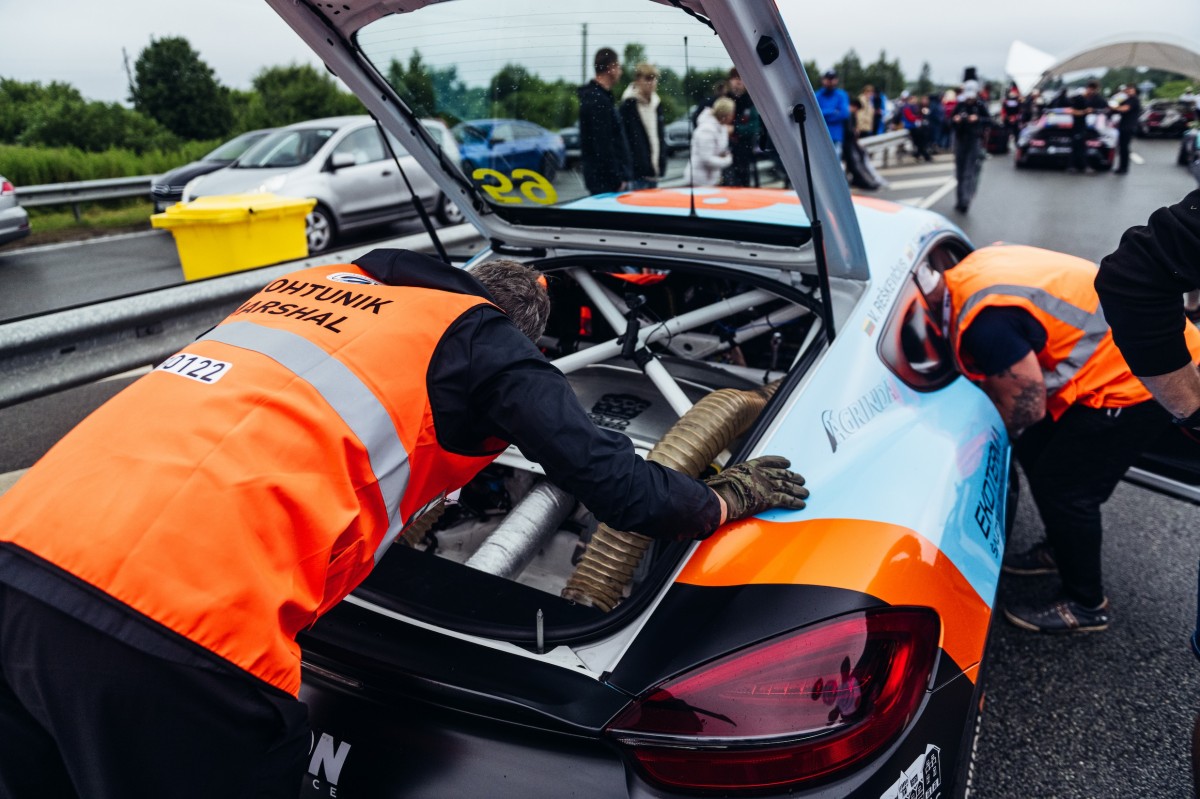
The same level of attention is devoted to the cars themselves. Every vehicle must comply with FIA safety regulations, be fitted exclusively with homologated safety equipment, and the organizers reserve the right to refuse entry to any car that fails to meet the required technical standards.
Some additional requirements have been introduced specifically because of the unique nature of the Palanga circuit. For example, special attention is paid to the braking system, as brakes that become extremely hot after a pit stop and refuelling can create serious problems at the very first heavy braking zone. As a result, officials inspect not only mandatory safety equipment but also technical solutions designed to reduce the likelihood of mechanical failures during the long race.
"You can never say you'll eliminate every risk, but you can always do everything possible to minimize it. That's exactly why we set requirements for both drivers and cars that often go beyond what is required by LASF or FIA regulations. We simply want to do everything that is within our power," says Jonušis.
According to the organizers, this approach helps maintain the high standard of the event while ensuring that the largest endurance race in the Baltic States remains not only spectacular for spectators but also as safe as possible for everyone competing on track.
Photos by Vytautas Pilkauskas and Andrius Laucius.